

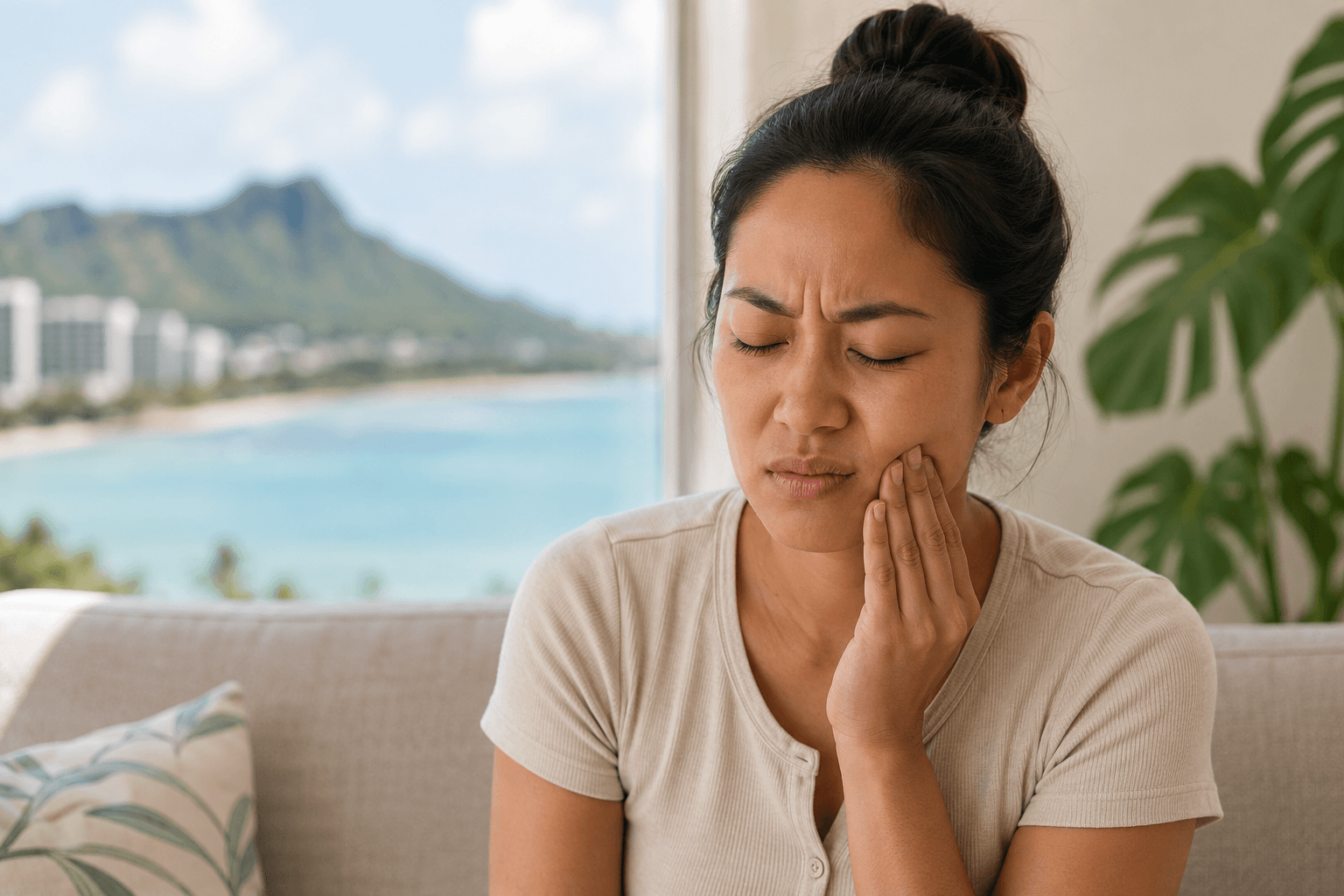

Who Is Most Likely to Develop TMJ? Understanding the Real Risk Factors in Honolulu
04
2026
Updated May 2026
Jaw tension, facial pain, and chronic headaches are often brushed off as stress or “just one of those things.” But for many people in Honolulu, these symptoms point to something more specific: TMJ disorders. While it can affect anyone, certain groups are far more likely to experience it and often without realizing the root cause.
If you’ve ever searched for a cosmetic spa near me or explored options at a medical spa, you may have come across TMJ-related treatments alongside services like Botox or microneedling. That’s because modern aesthetic practices often address both cosmetic and functional concerns.
So who is actually most at risk for developing TMJ? Let’s break it down in a way that makes sense for real people living and working in Honolulu.
What Is TMJ and Why Does It Matter?
TMJ stands for temporomandibular joint, the hinge that connects your jaw to your skull. When this joint becomes inflamed or misaligned, it can lead to:
- Jaw pain or tightness
- Clicking or popping sounds
- Headaches or migraines
- Ear pain or pressure
- Difficulty chewing
While some cases are temporary, others become chronic and significantly impact daily life.
What Age Groups Commonly Experience TMJ?
TMJ does not discriminate by age, but patterns do emerge.
Most Common Age Range: 25 to 45
Adults in their mid-20s through mid-40s are the most frequently affected. This is often tied to lifestyle factors such as:
- High stress careers
- Poor posture from desk work
- Teeth grinding during sleep
- Increased screen time
In Honolulu, where many residents balance demanding jobs with active lifestyles, this combination is especially common.
Older Adults: Often Underdiagnosed
People in their 50s and 60s may experience TMJ but attribute symptoms to aging or arthritis. Because of this, many never seek treatment even when relief is possible.
Are Women More Likely to Develop TMJ?
Yes, and the difference is significant.
Studies consistently show that women are more likely than men to develop TMJ disorders. This is especially relevant given that the demographic most interested in aesthetic treatments, including boutique aesthetics and medispa near me searches, is primarily female.
Why Women Are More Affected
Several factors may contribute:
- Hormonal influences that affect joint sensitivity
- Higher rates of stress-related muscle tension
- Increased likelihood of seeking treatment, leading to more diagnoses
For women in Honolulu juggling work, family, and wellness, TMJ can quietly build over time until symptoms become hard to ignore.
Can Stress Increase TMJ Risk?
Absolutely, and this is one of the biggest contributors.
Stress does not just affect your mind. It shows up physically, often in the jaw.
How Stress Triggers TMJ
When you are stressed, your body naturally tightens muscles. For many people, that tension settles in the jaw, leading to:
- Clenching during the day
- Grinding at night
- Persistent muscle fatigue
Living in a fast-paced environment, even in a place as beautiful as Honolulu, does not eliminate stress. In fact, balancing work and island life can create its own unique pressures.
Over time, this repeated tension can inflame the TMJ and create long-term discomfort.
Does Frequent Teeth Grinding Contribute to TMJ?
Yes, and it is one of the most direct causes.
Teeth grinding, also known as bruxism, places intense pressure on the jaw joint.
Signs You Might Be Grinding Your Teeth
- Waking up with jaw soreness
- Flattened or worn teeth
- Headaches in the morning
- Tightness in the face
Many people are unaware they grind their teeth until symptoms become severe.
Why It Is So Common
Bruxism is often linked to:
- Stress and anxiety
- Sleep disorders
- Misaligned bite
For those searching for solutions beyond night guards, modern approaches offered at a medical spa may provide additional relief options.
How Can Early Treatment Help?
Catching TMJ early can make a major difference in both comfort and long-term outcomes.
Benefits of Early Intervention
- Reduces inflammation before it becomes chronic
- Prevents worsening joint damage
- Improves quality of life quickly
- Minimizes reliance on pain medication
One of the reasons TMJ treatment has become more visible in boutique aesthetics settings is because patients are looking for solutions that fit seamlessly into their lifestyle.
Modern Treatment Approaches
While every case is different, treatment options may include:
- Muscle relaxation techniques
- Lifestyle and stress management guidance
- Targeted therapies such as Botox for jaw tension
These approaches are often discussed alongside other wellness and aesthetic services, creating a more holistic experience for patients.
The Overlap Between TMJ and Aesthetic Treatments
You might be wondering why TMJ is often mentioned alongside treatments like microneedling or even concerns like hyperhidrosis.
The answer is simple: modern aesthetic clinics often focus on both how you feel and how you look.
Why This Matters
- TMJ affects facial symmetry and tension
- Chronic clenching can alter jawline appearance
- Muscle relaxation can improve both comfort and aesthetics
While services like hyperhidrosis treatment or skin rejuvenation are separate concerns, they reflect the same goal: improving daily comfort and confidence.
Living in Honolulu: Unique Lifestyle Factors
Honolulu offers a vibrant lifestyle, but certain habits can increase TMJ risk.
Common Local Contributors
- Long work hours combined with active social lives
- High caffeine intake
- Surfing or physical activities that strain posture
- Frequent phone and laptop use
These factors may seem harmless individually, but together they can create the perfect conditions for TMJ to develop.
When Should You Seek Help?
If your symptoms are consistent or worsening, it is time to take them seriously.
Red Flags to Watch For
- Jaw pain that lasts more than a few weeks
- Difficulty opening or closing your mouth
- Frequent headaches or migraines
- Pain that radiates to the ears or neck
Early evaluation can help you understand whether your symptoms are truly TMJ and what options are available.
FAQs About TMJ in Honolulu
What is the most common cause of TMJ in Honolulu, Hawaii?
The most common causes include stress-related jaw clenching and teeth grinding. Lifestyle factors such as long work hours and high stress levels contribute significantly to TMJ in Honolulu, Hawaii.
Can Botox really help with TMJ symptoms?
In some cases, Botox is used to relax overactive jaw muscles, which may reduce clenching and discomfort. It is important to consult with a qualified provider to determine if this approach is appropriate for your condition.
Is TMJ related to other conditions like hyperhidrosis?
TMJ and hyperhidrosis are separate conditions, but both can be influenced by stress. Many patients explore treatment options for both concerns at a medical spa that focuses on overall wellness.
How do I know if I need more than a night guard?
If you continue to experience pain, headaches, or jaw tightness despite using a night guard, it may be time to explore additional treatment options beyond traditional dental solutions.
Are aesthetic clinics a good place to explore TMJ treatment?
Many modern clinics offering boutique aesthetics services also address functional concerns like TMJ. This allows patients to receive care that supports both comfort and appearance in one setting.
Your Jaw Called, It Wants a Break
TMJ is not just a dental issue or a passing annoyance. It is often your body’s way of signaling that something deeper needs attention.
Whether it is stress, grinding, or lifestyle habits, understanding your risk is the first step toward relief. For many in Honolulu, addressing TMJ early can mean fewer headaches, better sleep, and a noticeable improvement in daily comfort.
If you have been dealing with jaw tension or unexplained facial pain, it might be time to listen a little more closely. Your jaw has been doing a lot for you. It deserves a little support in return.
Contact | Blogs
This is a blog post title....
This is a blog post title....